

Serendipidy June blog
- Jun 21
- 2 min read
A trip to Kew Gardens had us discovering much about carbon capture. This was a plus as we had gone to see the Henry Moore sculptures.


And then, just like magic, this appeared on Facebook!
Garden Tips & Tricks ·
The size of a bee tells you whether it produces kilograms of honey, pollinates specific crops, or lives alone without a hive — and Britain is home to around 270 species of wild bees. 🐝
The honey bee (Apis mellifera) is the only species that lives in large colonies. A colony of up to 50,000 workers produces honey. It is also the only British bee that does this.
All the others are largely solitary — and they are the real engine of pollination:
Bumblebees (Bombus) are two to three times the size of a honey bee and can pollinate tomatoes in greenhouses using sonic vibration — a technique the honey bee does not possess.
The hairy-footed flower bee (Anthophora plumipes) is a fast-flying solitary bee, often mistaken for a bumblebee, that emerges early in spring to pollinate lungwort, comfrey, and other deep-tubed flowers.
The red mason bee (Osmia bicornis) builds mud cells in hollow stems and cavities and is one of the most efficient orchard pollinators.
The patchwork leafcutter bee (Megachile centuncularis) cuts neat discs from leaves to construct its nest cells.
Mining bees (Andrena) are among the first to emerge in spring, often working flowers before any other species is active.
Sweat bees (Halictus and Lasioglossum) complete the work flower by flower, usually unnoticed.
The honey comes from Apis. The pollination comes from all the others. 🌿

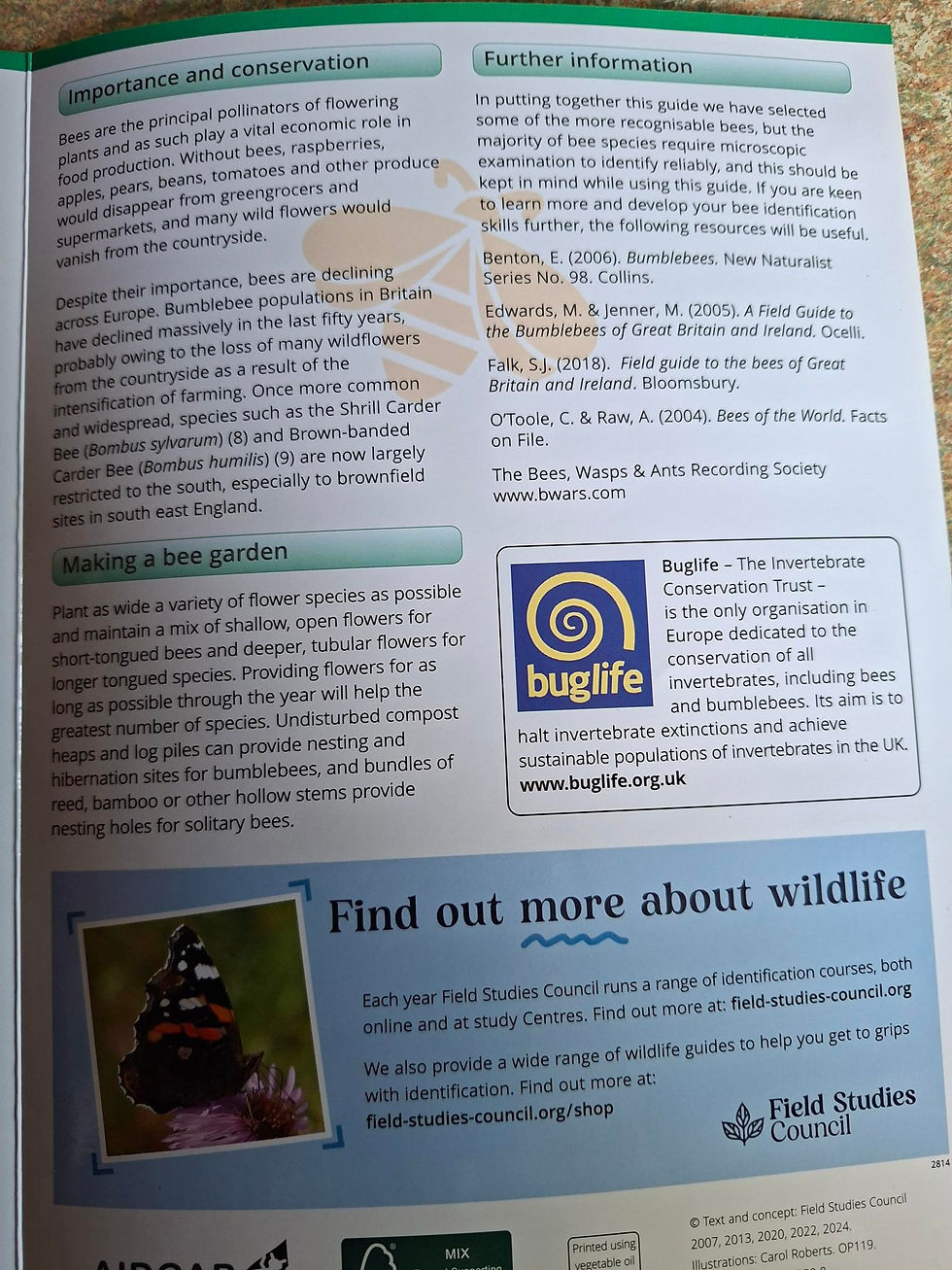
There is always something more to learn.


Comments